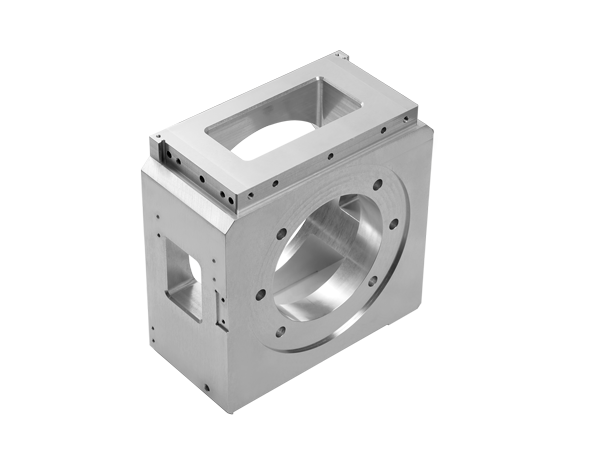
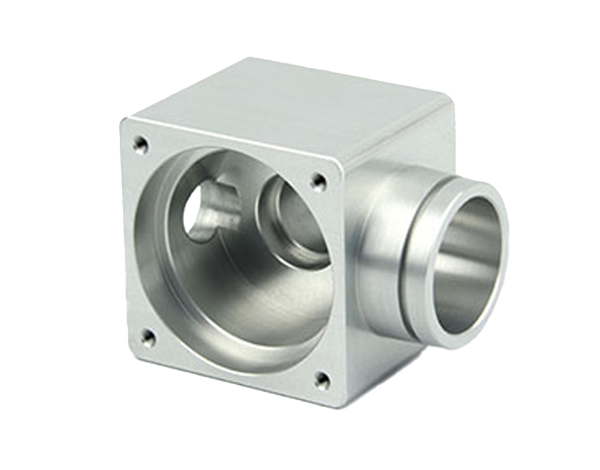
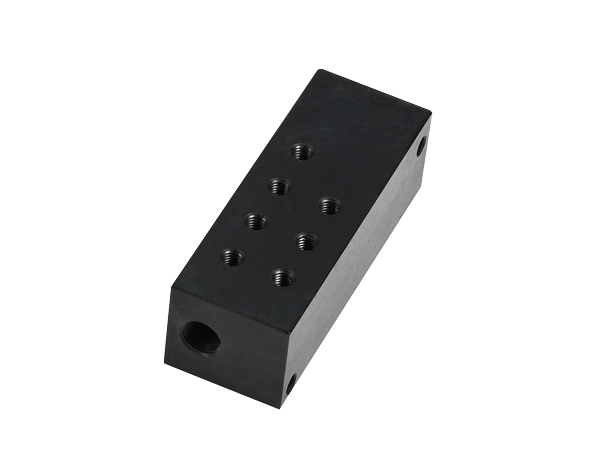
Bearing flange for medical equipment
Read more
Stainless steel has become one of the most widely used materials in modern manufacturing, owing to its corrosion resistance, mechanical strength, and versatility. From medical devices and aerospace components to automotive parts and industrial equipment, stainless steel is often the material of choice for applications requiring durability and precision. However, despite its advantages, stainless steel presents unique challenges in CNC precision machining due to its material properties. This article explores the complexities of stainless steel CNC machining and provides practical solutions for manufacturers seeking optimal performance and efficiency.
Stainless steel is an alloy primarily composed of iron, chromium, and varying amounts of nickel and other elements. Its high corrosion resistance and excellent mechanical properties make it ideal for critical applications. Common grades used in CNC machining include:
304 Stainless Steel: Offers good corrosion resistance and machinability, widely used in kitchen equipment, chemical containers, and architectural components.
316 Stainless Steel: Known for superior corrosion resistance in harsh environments, commonly used in medical devices, marine applications, and chemical processing equipment.
410 and 420 Stainless Steel: Martensitic stainless steels with higher hardness, suitable for wear-resistant applications such as cutting tools, shafts, and valves.
17-4 PH Stainless Steel: Precipitation-hardened stainless steel combining high strength, hardness, and corrosion resistance, ideal for aerospace and industrial applications.
The diverse grades of stainless steel each have distinct characteristics, including hardness, ductility, and thermal conductivity, which directly affect CNC machining performance.
Machining stainless steel is notably more challenging than other common metals like aluminum or mild steel. Manufacturers face several key difficulties:
Certain grades of stainless steel, especially austenitic types like 304 and 316, tend to harden rapidly at the cutting edge during machining. Work hardening increases cutting forces, accelerates tool wear, and can compromise surface finish. If not managed properly, it may lead to dimensional inaccuracies and reduced efficiency.
Stainless steel has relatively low thermal conductivity compared to other metals, causing heat to concentrate at the cutting zone. Excessive heat can lead to tool deformation, thermal expansion of the workpiece, and potential loss of precision.
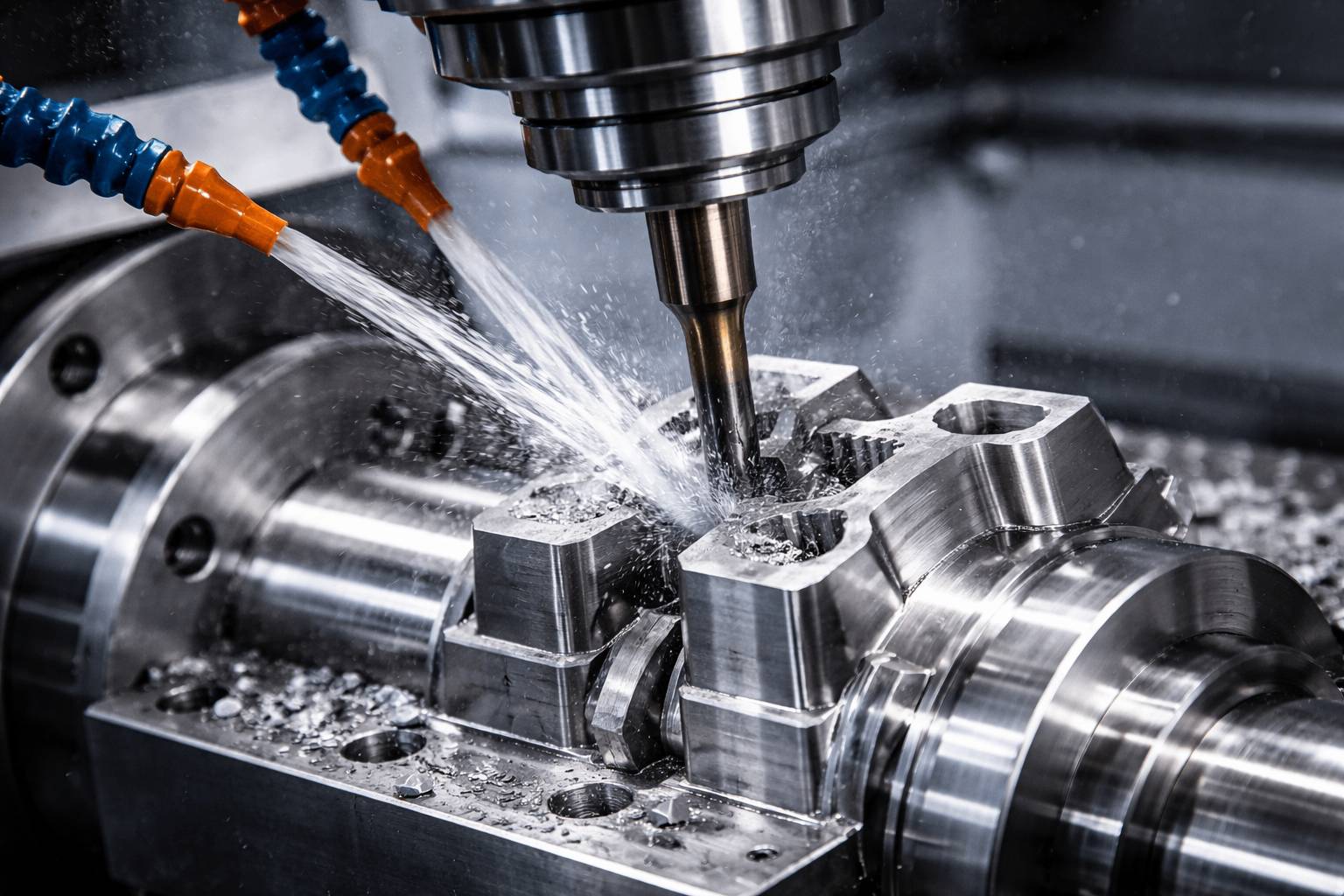
High-strength stainless steel alloys exert significant forces on cutting tools, causing rapid wear, chipping, or even breakage. Standard high-speed steel (HSS) tools may not be sufficient for prolonged operations, necessitating the use of carbide or coated tools.
Achieving smooth surface finishes on stainless steel is difficult due to its ductility and tendency to form built-up edges (BUE) on cutting tools. BUE can leave rough surfaces and negatively affect tolerance levels.
During high-speed cutting, stainless steel’s toughness can result in vibration and chatter, especially on long, thin, or complex parts. Chatter can compromise dimensional accuracy and surface quality, making stable fixturing and optimized cutting parameters essential.
Addressing the challenges of stainless steel machining requires a combination of proper tooling, optimized machining parameters, and advanced techniques. Below are practical strategies:
Carbide Tools: Provide high hardness and wear resistance, suitable for tough stainless steel grades.
Coated Tools (TiN, TiAlN, AlTiN): Improve thermal resistance, reduce friction, and extend tool life.
High-Performance End Mills and Inserts: Specifically designed for stainless steel to minimize built-up edge formation and improve chip evacuation.
Reduced Cutting Speeds: Slower spindle speeds help prevent excessive heat and work hardening.
Higher Feed Rates with Shallow Depths of Cut: Distributes cutting forces and reduces tool stress.
Proper Tool Engagement: Avoiding excessive tool engagement prevents tool deflection and vibration, ensuring dimensional accuracy.
Flood Coolant: Maintains low temperatures at the cutting zone, reducing thermal expansion and extending tool life.
Minimum Quantity Lubrication (MQL): Applies precise lubricant to minimize friction, heat, and tool wear.
Cryogenic Machining: Involves liquid nitrogen cooling for high-performance stainless steel machining, effectively controlling heat and improving surface finish.
Efficient chip removal prevents re-cutting, tool damage, and surface defects. Spiral fluted end mills, high-helix tools, and proper coolant application help manage chip evacuation effectively.
5-Axis Machining Centers: Enable complex geometries to be machined in a single setup, reducing repositioning errors.
Stable Fixturing: Essential for long, thin, or intricate parts to minimize vibration and ensure surface quality.
Austenitic Stainless Steel (304, 316): Use sharp tools, moderate feed, and slow speed to minimize work hardening.
Martensitic Stainless Steel (410, 420): Preheat if necessary and use carbide tools with optimized depth of cut to avoid chipping.
Precipitation-Hardened Stainless Steel (17-4 PH): Employ gradual cutting techniques to control heat and maintain hardness integrity.
Stainless steel CNC machining is essential across industries where durability, corrosion resistance, and precision are critical:
Medical Industry: Surgical instruments, implants, and laboratory equipment.
Aerospace and Defense: Engine components, structural parts, and aerospace fasteners.
Automotive: Exhaust systems, shafts, and wear-resistant components.
Food and Chemical Processing: Corrosion-resistant tanks, valves, and piping.
Industrial Equipment: Pumps, gears, and heavy-duty machinery parts.
These applications demand strict adherence to tolerance specifications, surface finish requirements, and material properties.
High Accuracy and Repeatability: Achieve tight tolerances for critical components.
Complex Geometry Capabilities: Multi-axis CNC machines handle intricate parts efficiently.
Consistent Surface Quality: Optimized tools and cooling methods ensure superior finishes.
Efficiency and Reduced Waste: Precision machining minimizes scrap, especially for expensive stainless steel grades.
Scalable Production: Suitable for both small-batch prototypes and large-scale manufacturing.
Stainless steel CNC precision machining presents unique challenges due to material hardness, ductility, and thermal properties. By selecting appropriate tools, optimizing machining parameters, implementing effective cooling strategies, and leveraging advanced multi-axis CNC machines, manufacturers can overcome these challenges. The result is high-quality, durable, and precisely machined stainless steel components suitable for medical, aerospace, automotive, and industrial applications.
With careful planning, proper equipment, and material-specific strategies, CNC machining of stainless steel can achieve exceptional performance, reliability, and efficiency, solidifying its role as a critical process in modern precision manufacturing.