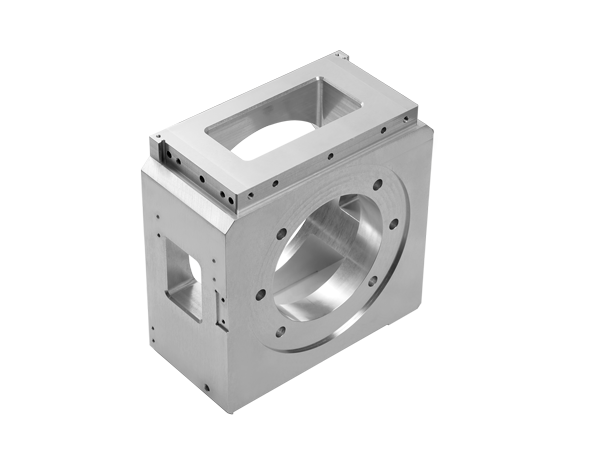
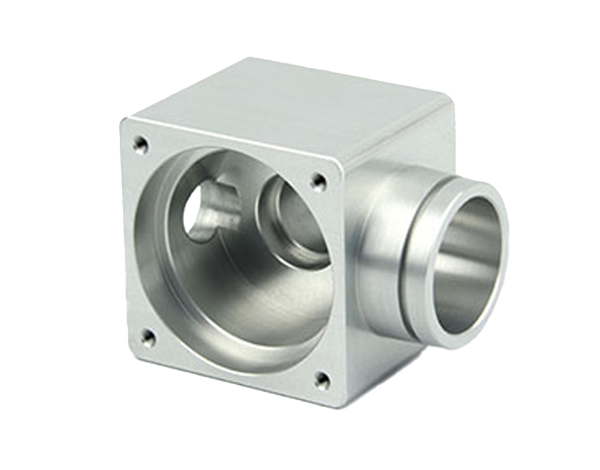
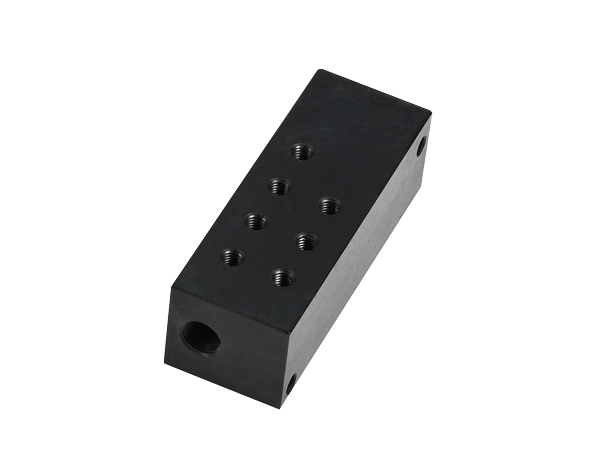
Bearing flange for medical equipment
Read more
Selecting a reliable Stainless Steel CNC Precision Machining supplier is crucial for manufacturers, engineers, and businesses that require high-quality components with tight tolerances. CNC precision machining has become a cornerstone in modern manufacturing due to its ability to produce complex parts with exceptional accuracy. However, not all suppliers deliver consistent quality, timely delivery, and competitive pricing. Choosing the right partner can mean the difference between product success and production delays or defects. In this article, we will explore the key factors to consider when selecting a trustworthy stainless steel CNC precision machining supplier.
One of the first considerations when selecting a CNC machining supplier is their experience in working with stainless steel. Stainless steel is a versatile but challenging material, and different grades, such as 304, 316, and 17-4 PH, have distinct machining properties. An experienced supplier understands how to manage tool wear, heat generation, and material deformation, ensuring precision in every part.
Ask about their years of operation, the industries they serve, and their experience with projects similar to yours. Suppliers with expertise in aerospace, medical devices, automotive, or electronics tend to have stricter quality controls and higher precision capabilities.
High-quality stainless steel CNC precision machining requires robust quality control at every stage of production. A reliable supplier should implement ISO 9001 or other relevant certifications, which demonstrate their commitment to consistent quality standards.
Key quality control aspects include:
Incoming material inspection: Ensuring the stainless steel meets chemical composition and mechanical property requirements.
In-process inspection: Monitoring dimensions, surface finish, and tolerances during machining.
Final inspection: Using precision measurement tools, such as CMMs (Coordinate Measuring Machines), to confirm part accuracy before delivery.
Requesting examples of quality inspection reports or visiting the supplier’s facility can provide insight into their attention to detail.
The quality of CNC precision machining depends heavily on the equipment and technology used. A reliable supplier invests in modern CNC machines, multi-axis milling centers, high-precision lathes, and automation systems. Advanced equipment allows suppliers to achieve:
Tighter tolerances
Complex geometries
Smooth surface finishes
Higher repeatability
Additionally, suppliers that utilize CAM (Computer-Aided Manufacturing) software can optimize cutting paths, reduce material waste, and minimize production time. Confirming that the supplier maintains and upgrades their machines regularly is also a good indicator of long-term reliability.
Stainless steel quality can vary significantly depending on the source. A reliable supplier should use certified, traceable stainless steel, and provide material certificates with each batch. Traceability ensures that:
Components meet industry standards
Any potential defects can be traced back to the material source
Regulatory compliance requirements are met (especially in medical, aerospace, and food industries)
Ask suppliers about their material suppliers, inventory management, and how they handle non-conforming materials.
Different applications require varying levels of dimensional tolerance and surface finish. For example, aerospace and medical parts often require tolerances within ±0.01 mm, while automotive components may allow slightly larger deviations.
When evaluating a supplier:
Confirm the tightest tolerances they can consistently achieve
Check the range of surface finishes they can produce, from rough machined surfaces to mirror-polished finishes
Ensure they have experience with post-processing techniques, such as polishing, passivation, and deburring
A supplier who can handle both high-precision tolerances and demanding surface finishes is generally more versatile and reliable.
Timely delivery is critical in modern manufacturing. Delays can disrupt production lines and increase costs. When assessing a CNC machining supplier, consider:
Their typical lead times for small, medium, and large orders
Production capacity, including the ability to handle urgent or high-volume projects
Flexibility in scheduling and responsiveness to changes in order specifications
Suppliers with robust production planning, multiple shifts, and backup systems are less likely to cause delays and more likely to meet your delivery requirements.
A strong partnership relies on clear and responsive communication. A reliable supplier should:
Respond promptly to inquiries and technical questions
Provide regular updates during production
Offer technical advice to optimize part design for manufacturability
Effective communication helps prevent misunderstandings, ensures your specifications are fully met, and fosters a long-term business relationship.
While price is a consideration, it should not be the sole factor. Extremely low-cost suppliers may cut corners on materials, equipment, or quality control. Instead, focus on value for money:
Competitive pricing balanced with high-quality standards
Transparent cost breakdowns for materials, machining, and post-processing
Willingness to discuss cost-saving options without compromising precision
A reliable supplier offers fair pricing while maintaining stringent quality standards.
Before committing to a large order, request samples of previous stainless steel CNC machined parts. This allows you to evaluate:
Dimensional accuracy
Surface finish
Overall quality
Additionally, ask for references from other clients. Reliable suppliers will have satisfied customers willing to share their experiences regarding quality, delivery, and service.
Finally, choose a supplier who can grow with your business. Consider:
Ability to scale production as your orders increase
Willingness to invest in new technology and training
Commitment to continuous improvement and innovation
A long-term partnership ensures consistent quality, reliable delivery, and mutual growth.
Selecting a reliable stainless steel CNC precision machining supplier requires careful evaluation of experience, equipment, quality control, material sourcing, production capacity, communication, and value. By thoroughly vetting potential suppliers and requesting samples, you can ensure that your components meet strict quality standards, are delivered on time, and support your business’s long-term success.
In today’s competitive manufacturing environment, partnering with the right CNC machining supplier is not just about cost—it’s about precision, reliability, and trust. Investing time in selecting the right partner ultimately leads to higher-quality products, reduced production risks, and stronger business outcomes.