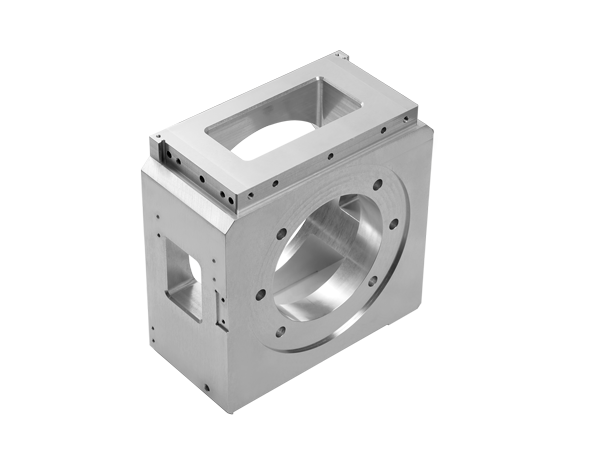
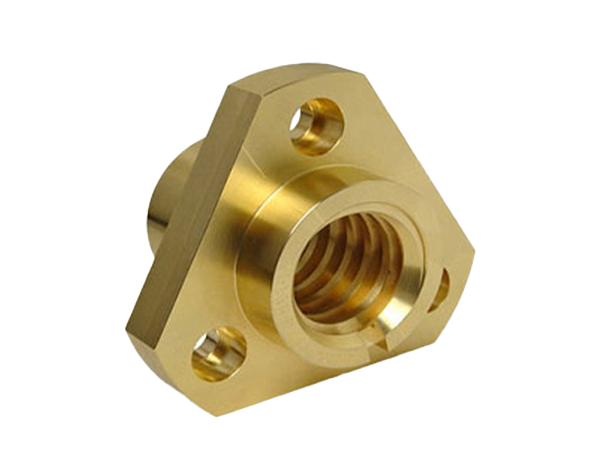
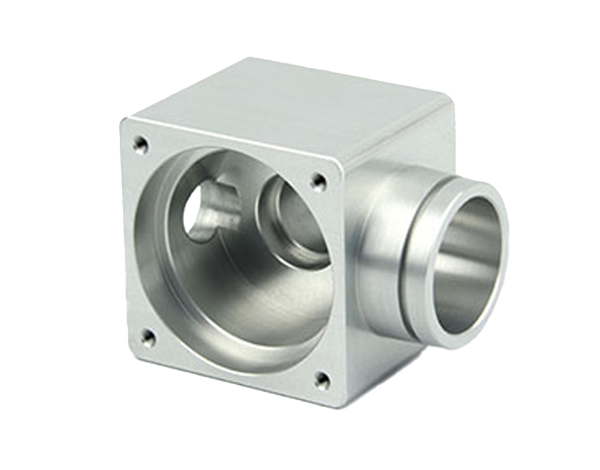
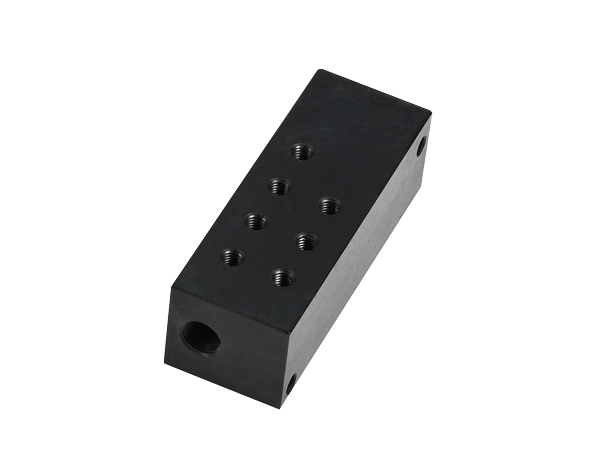
Bearing flange for medical equipment
Read more
In today’s advanced manufacturing landscape, CNC precision machining has become a cornerstone technology, enabling the production of complex components with exceptional accuracy and repeatability. Among various applications, high-strength alloy materials—including titanium alloys, Inconel, and high-strength steel—pose unique challenges that require specialized CNC machining strategies. This article explores the fundamentals, challenges, and best practices of CNC precision machining for high-strength alloy materials, offering valuable insights for engineers, manufacturers, and procurement professionals.
High-strength alloys are engineered materials designed to withstand extreme mechanical stress, high temperatures, and corrosive environments. Common examples include:
Titanium Alloys (Ti-6Al-4V): Lightweight, corrosion-resistant, and strong, commonly used in aerospace, medical implants, and high-performance automotive components.
Inconel (Nickel-Chromium Superalloys): Exhibiting exceptional heat and corrosion resistance, ideal for jet engines, gas turbines, and chemical processing equipment.
Maraging Steel: Known for superior tensile strength and toughness, often applied in tooling, aerospace, and military applications.
High-Strength Aluminum Alloys (e.g., 7075, 6061): Offering a high strength-to-weight ratio, widely used in aerospace, defense, and precision instruments.
These alloys are more difficult to machine than standard steels or aluminum due to their high hardness, toughness, and thermal conductivity characteristics.
Machining high-strength alloys presents unique obstacles that must be carefully managed:
Tool Wear and Tool Life
High-strength alloys can rapidly wear down cutting tools, particularly when using conventional high-speed steel tools. Tool selection and cooling strategies are crucial to maintaining efficiency.
Heat Generation and Thermal Expansion
These materials have low thermal conductivity, causing heat to concentrate at the cutting zone. Excessive heat can affect dimensional accuracy and surface finish, making proper coolant use essential.
Work Hardening
Some alloys, like stainless steel and titanium, harden during machining, which increases cutting forces and reduces tool life. Understanding material-specific behavior is key.
Surface Finish Requirements
Many high-strength alloy components require tight tolerances and superior surface finish, especially in aerospace or medical applications. Achieving this demands precise toolpath planning and machine calibration.
Complex Geometries
Aerospace and automotive components often feature intricate shapes and thin walls, requiring multi-axis CNC machining and careful fixture design to prevent distortion.
To overcome these challenges, manufacturers adopt specific strategies and technologies:
Carbide and Coated Tools: Tungsten carbide tools with TiAlN or AlTiN coatings are commonly used due to high hardness and thermal resistance.
Diamond-Like Coatings: For abrasive alloys, diamond-like coatings extend tool life and reduce wear.
High-Performance End Mills: Designed for heavy-duty cutting, these tools maintain stability under high feed rates.
Reduced Cutting Speeds: Slower spindle speeds prevent overheating and minimize work hardening.
Higher Feed Rates with Shallow Cuts: Reduces heat buildup and distributes cutting forces evenly.
Proper Depth of Cut: Careful adjustment avoids excessive tool deflection and improves surface finish.
Flood Coolant Systems: Maintain low cutting temperatures, prolonging tool life and improving surface quality.
Minimum Quantity Lubrication (MQL): Eco-friendly method using precise lubricant application, reducing friction and heat generation.
Cryogenic Machining: Liquid nitrogen cooling can significantly reduce thermal effects for titanium and Inconel.
5-Axis Machining Centers: Allow complex geometries to be machined in a single setup, reducing repositioning errors and improving accuracy.
Precision Fixturing: Custom jigs and fixtures stabilize thin-walled or intricate components, minimizing vibration and distortion.
Titanium Alloys: Use moderate cutting speeds, high-feed machining, and sharp tools to avoid built-up edge formation.
Inconel: Apply low-speed, high-feed techniques with interrupted cuts to prevent work hardening.
Maraging Steel: Use aggressive cooling and avoid excessive tool engagement to maintain dimensional integrity.
High-strength alloy CNC machining is critical in industries where performance, safety, and reliability are paramount:
Aerospace: Engine components, structural airframe parts, and landing gear components.
Medical Devices: Surgical instruments, orthopedic implants, and prosthetic components.
Automotive and Motorsports: High-performance engine parts, chassis components, and suspension elements.
Defense and Energy: Turbine components, weapon systems, and pressure vessels.
Each application requires stringent quality control, including coordinate measuring machine (CMM) inspections, surface roughness testing, and adherence to international standards such as ISO 9001 or AS9100 for aerospace parts.
Exceptional Accuracy and Repeatability
CNC machining can achieve tolerances as tight as ±0.01 mm, essential for high-strength alloy components used in critical applications.
Complex Geometry Capabilities
Multi-axis CNC machines can produce intricate parts that are impossible with manual machining methods.
Reduced Production Time and Cost
Optimized toolpaths and automation reduce cycle times, even for tough-to-machine alloys.
Consistency and Reliability
Automated CNC processes ensure each part meets exact specifications, minimizing scrap and rework.
Material Optimization
Precise machining reduces waste, which is particularly valuable for expensive alloys like titanium and Inconel.
Selecting a reliable CNC machining service provider is critical for achieving high-quality results:
Experience with Specific Alloys: Ensure the supplier has proven expertise in machining titanium, Inconel, maraging steel, or other target materials.
Advanced Equipment: Multi-axis CNC centers, precision inspection tools, and proper cooling systems are essential.
Quality Assurance: ISO/AS9100 certifications and comprehensive inspection capabilities ensure consistent quality.
Prototyping and Production Support: Ability to handle both small-batch prototypes and full-scale production runs.
CNC precision machining of high-strength alloy materials is a sophisticated process that requires specialized knowledge, advanced tooling, and precise operational strategies. By understanding the challenges of machining alloys like titanium, Inconel, and maraging steel, and by implementing best practices—such as optimized cutting parameters, advanced cooling techniques, and multi-axis machining—manufacturers can achieve superior accuracy, surface quality, and consistency.
Whether in aerospace, medical, automotive, or defense applications, high-strength alloy CNC machining is essential for producing reliable, high-performance components that meet the most demanding specifications. Partnering with experienced CNC machining providers ensures efficiency, quality, and cost-effectiveness, enabling businesses to maintain a competitive edge in today’s advanced manufacturing landscape.
Xinbanghui, as a professional CNC service company, specializes in delivering high-precision machining solutions for a wide range of high-strength alloy materials, including titanium, Inconel, maraging steel, and advanced aluminum alloys. Leveraging state-of-the-art multi-axis CNC machines, advanced tooling, and stringent quality control systems, Xinbanghui ensures exceptional accuracy, surface finish, and repeatability for complex and critical components. With extensive experience in aerospace, medical, automotive, and industrial applications, Xinbanghui provides tailored CNC machining services that meet the most demanding specifications, from prototyping to full-scale production, helping clients achieve efficiency, reliability, and superior performance.