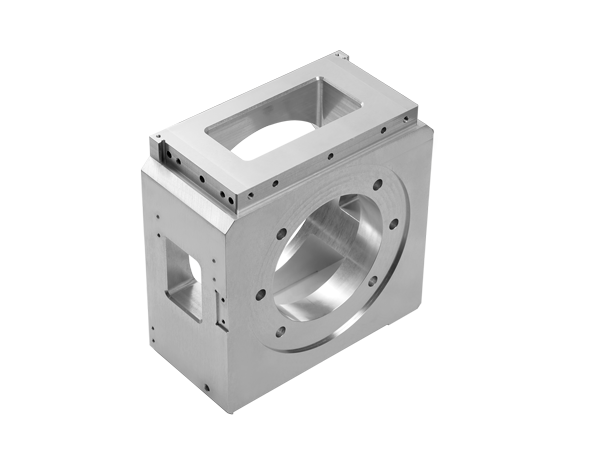
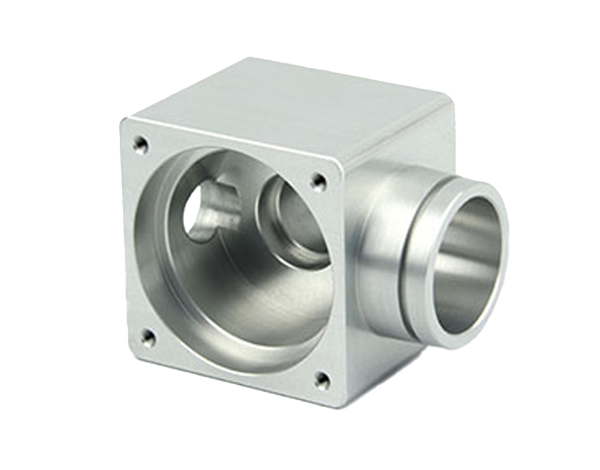
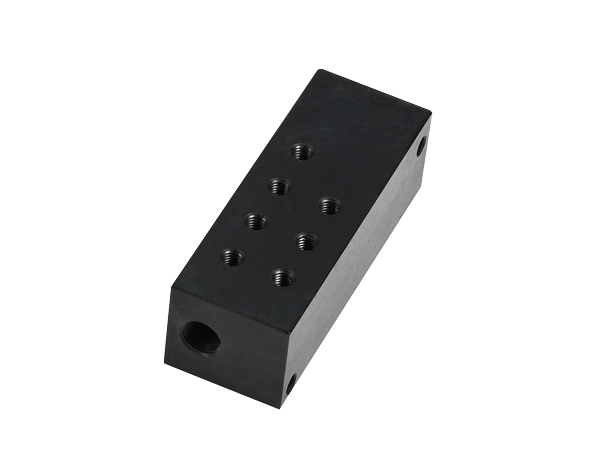
Bearing flange for medical equipment
Read more
In today’s highly competitive manufacturing landscape, choosing the right CNC precision machining company is a critical decision for any business. CNC (Computer Numerical Control) machining has revolutionized manufacturing by providing high precision, consistency, and efficiency in producing complex parts. However, with countless providers available, selecting a company that aligns with your business needs can be challenging. This guide will explore essential factors to consider when choosing a CNC precision machining company, helping you make an informed decision that enhances productivity, quality, and profitability.
Before searching for a CNC precision machining company, it is crucial to clearly define your requirements. Consider the following aspects:
Material Requirements: Different companies specialize in various materials such as metals, plastics, composites, or exotic alloys. Identify the material you need and ensure the company has experience machining it.
Part Complexity: Some parts may require intricate geometries, tight tolerances, or multi-axis machining. Assess the complexity of your components to match them with a company capable of handling such precision.
Volume and Scale: Determine whether you need prototype parts, small batch production, or large-scale manufacturing. Some CNC precision machining companies excel at rapid prototyping, while others are geared toward mass production.
Having a detailed understanding of your needs allows you to narrow down potential partners who can deliver the quality and efficiency required.
A CNC precision machining company’s technical capabilities are fundamental to achieving high-quality outcomes. Consider the following criteria:
Equipment and Machinery: Check if the company uses modern, high-precision CNC machines such as 3-axis, 4-axis, or 5-axis machines. Advanced machinery ensures better accuracy and the ability to handle complex parts.
Tolerance and Accuracy: Review the company’s ability to maintain tight tolerances, typically measured in microns. High-precision work requires consistent accuracy throughout production.
CAD/CAM Integration: Ensure the company can work with your CAD models and has advanced CAM software for optimized toolpath generation and reduced errors.
Multi-Material Expertise: A versatile machining company can work with a wide range of materials, including metals, plastics, and composites. This flexibility can be valuable for future projects.
Technical capability is the backbone of a CNC precision machining company. Companies lacking advanced equipment or skilled technicians may compromise on quality or production efficiency.
Quality control is a cornerstone of CNC precision machining. A reputable company will have a comprehensive quality management system in place. Consider these factors:
Certifications: Look for companies certified with ISO 9001, AS9100 (for aerospace), or other relevant industry standards. Certifications indicate a commitment to consistent quality.
Inspection Equipment: Advanced inspection tools, such as coordinate measuring machines (CMM), optical comparators, and laser scanners, ensure precise measurements and defect detection.
Process Documentation: A professional company maintains detailed process documentation, including inspection reports, material traceability, and production records.
Continuous Improvement: Companies that implement Six Sigma, Lean Manufacturing, or other continuous improvement methodologies are more likely to deliver high-quality results consistently.
Thorough quality control minimizes errors, reduces waste, and ensures that your parts meet or exceed specifications.
Experience matters significantly when selecting a CNC precision machining company. Consider the following:
Years in Business: A company with a long track record demonstrates stability, reliability, and a proven ability to handle various projects.
Industry Experience: Certain industries, such as aerospace, medical devices, and automotive, require strict compliance with regulatory standards. Choose a company familiar with your industry’s requirements.
Portfolio of Work: Review case studies, client testimonials, and samples of previous work to gauge the company’s capabilities and craftsmanship.
A company with relevant experience can provide valuable insights, anticipate challenges, and offer solutions tailored to your needs.
Meeting deadlines is critical in manufacturing. When evaluating a CNC precision machining company, examine their production capabilities:
Turnaround Time: Assess whether the company can deliver parts within your required timeframe without compromising quality.
Scalability: Ensure the company can scale production up or down according to your demand fluctuations.
Supply Chain Management: Companies with strong supply chain networks can source materials efficiently, reducing delays.
Timely delivery ensures that your project stays on schedule and minimizes downtime in your operations.
Strong communication and customer service are often overlooked but are essential for a successful partnership:
Responsiveness: A reliable company responds promptly to inquiries, quotes, and technical questions.
Technical Support: Companies that provide design consultation, material selection advice, and troubleshooting support add value beyond basic machining services.
Project Management: Clear communication regarding production status, potential delays, and quality issues ensures transparency and reduces misunderstandings.
Good customer service fosters a collaborative relationship and contributes to the overall success of your project.
While cost should not be the sole deciding factor, it is important to consider pricing relative to the value offered:
Transparent Pricing: Avoid companies that provide vague or inconsistent quotes. Detailed quotes help you understand the cost breakdown, including materials, labor, and additional services.
Value for Money: Low-cost providers may compromise on quality or precision. Prioritize companies that balance cost with high-quality results and reliable service.
Long-Term Partnership: Investing in a trustworthy CNC precision machining company can save costs in the long run by reducing errors, rework, and production delays.
Evaluate pricing alongside quality, technical capabilities, and service to make an informed choice.
Before committing to a long-term partnership, request sample parts or a trial order. This allows you to:
Assess Quality: Examine the accuracy, surface finish, and overall quality of the machined parts.
Evaluate Service: Experience the company’s communication, responsiveness, and production efficiency firsthand.
Test Reliability: Determine whether the company can consistently meet specifications and deadlines.
Trial orders are a low-risk way to validate whether a CNC precision machining company is a suitable partner for your business.
The physical location of a CNC precision machining company can impact cost, lead time, and logistics:
Local vs. Overseas: Local companies may offer faster turnaround times and easier communication, while overseas companies might provide cost savings.
Shipping and Handling: Consider the time, cost, and risk associated with transporting parts, especially for high-precision components.
After-Sales Support: Proximity can be beneficial for on-site inspections, urgent orders, or troubleshooting.
Balancing location and logistical considerations ensures smooth production and delivery.
Finally, the goal is not just to find a service provider but a reliable long-term partner:
Mutual Trust: Look for a company that values transparency, honesty, and accountability.
Collaboration: A good CNC precision machining company will work with you to optimize designs, improve processes, and solve production challenges.
Innovation: Companies that invest in new technologies, automation, and skilled talent can help your business stay competitive.
A strong partnership fosters growth, reduces risks, and ensures consistent quality over time.
Selecting the right CNC precision machining company is a strategic decision that can significantly impact your business’s efficiency, product quality, and profitability. By understanding your needs, evaluating technical capabilities, assessing quality control, reviewing experience, considering production capacity, prioritizing customer service, and balancing cost and logistics, you can identify a partner that aligns with your goals. Requesting samples, trial orders, and building a collaborative relationship further ensures that your investment in CNC precision machining delivers tangible benefits.
Investing time and effort in choosing the right CNC precision machining company is not just about completing a project—it is about establishing a foundation for long-term success in a competitive manufacturing environment