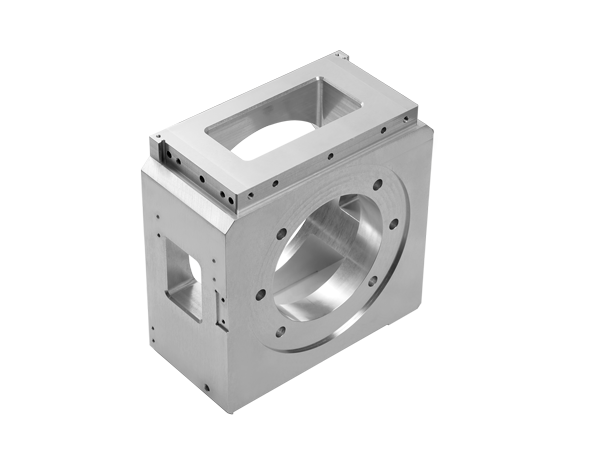
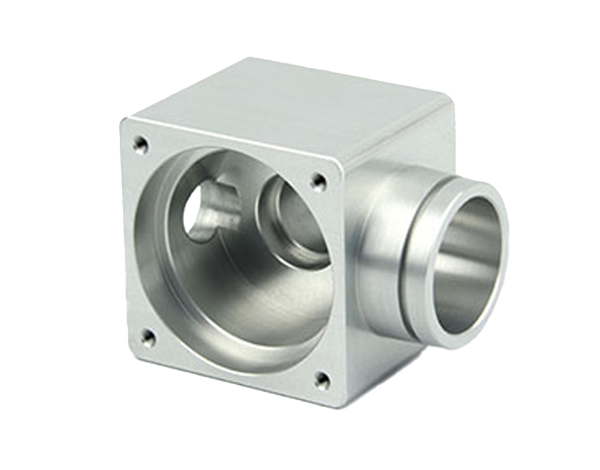
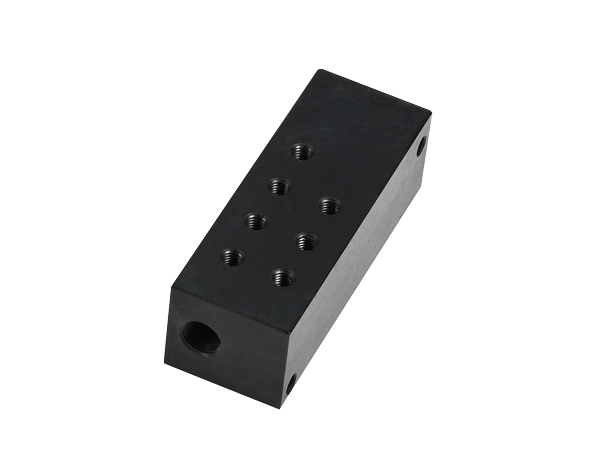
Bearing flange for medical equipment
Read more
In today’s highly competitive manufacturing environment, OEM stainless steel CNC precision machining has become a critical solution for companies seeking high-quality, custom-engineered components. From medical devices and food processing equipment to aerospace systems and industrial machinery, stainless steel parts produced through CNC precision machining offer unmatched accuracy, durability, and consistency.
This article provides a comprehensive overview of the complete OEM stainless steel CNC precision machining process—from initial design and engineering support to production, quality control, and final delivery. Understanding each stage helps OEM buyers make informed decisions, reduce risks, and achieve optimal performance in their end products.
OEM (Original Equipment Manufacturer) stainless steel CNC precision machining refers to the customized production of stainless steel components based on a client’s specific design, functional requirements, and performance standards. Unlike standard off-the-shelf parts, OEM machining focuses on tailored solutions that integrate seamlessly into proprietary equipment or systems.
CNC (Computer Numerical Control) machining enables high-precision manufacturing by using programmed software to control machine tools. When combined with stainless steel—known for its corrosion resistance, strength, and hygienic properties—the result is a reliable manufacturing method capable of meeting tight tolerances and demanding application requirements.
The OEM process begins with design. Customers may provide 2D drawings, 3D CAD files, or functional specifications. At this stage, close collaboration between the OEM client and the CNC machining manufacturer is essential.
Experienced CNC manufacturers often offer Design for Manufacturability (DFM) support. This involves reviewing designs to ensure they are optimized for CNC machining while maintaining functional integrity. Minor design adjustments—such as modifying wall thickness, corner radii, or tolerance ranges—can significantly reduce machining complexity and cost.
Selecting the appropriate stainless steel grade is a crucial design decision. Common grades used in OEM CNC precision machining include:
304 Stainless Steel: Excellent corrosion resistance and machinability; widely used in food, medical, and general industrial applications.
316 / 316L Stainless Steel: Enhanced resistance to chemicals and saltwater; ideal for marine, pharmaceutical, and medical environments.
303 Stainless Steel: Improved machinability for complex parts where corrosion resistance requirements are moderate.
420 / 430 Stainless Steel: Higher hardness or magnetic properties for specialized applications.
The right material balances performance, cost, and machinability while meeting industry standards and regulatory requirements.
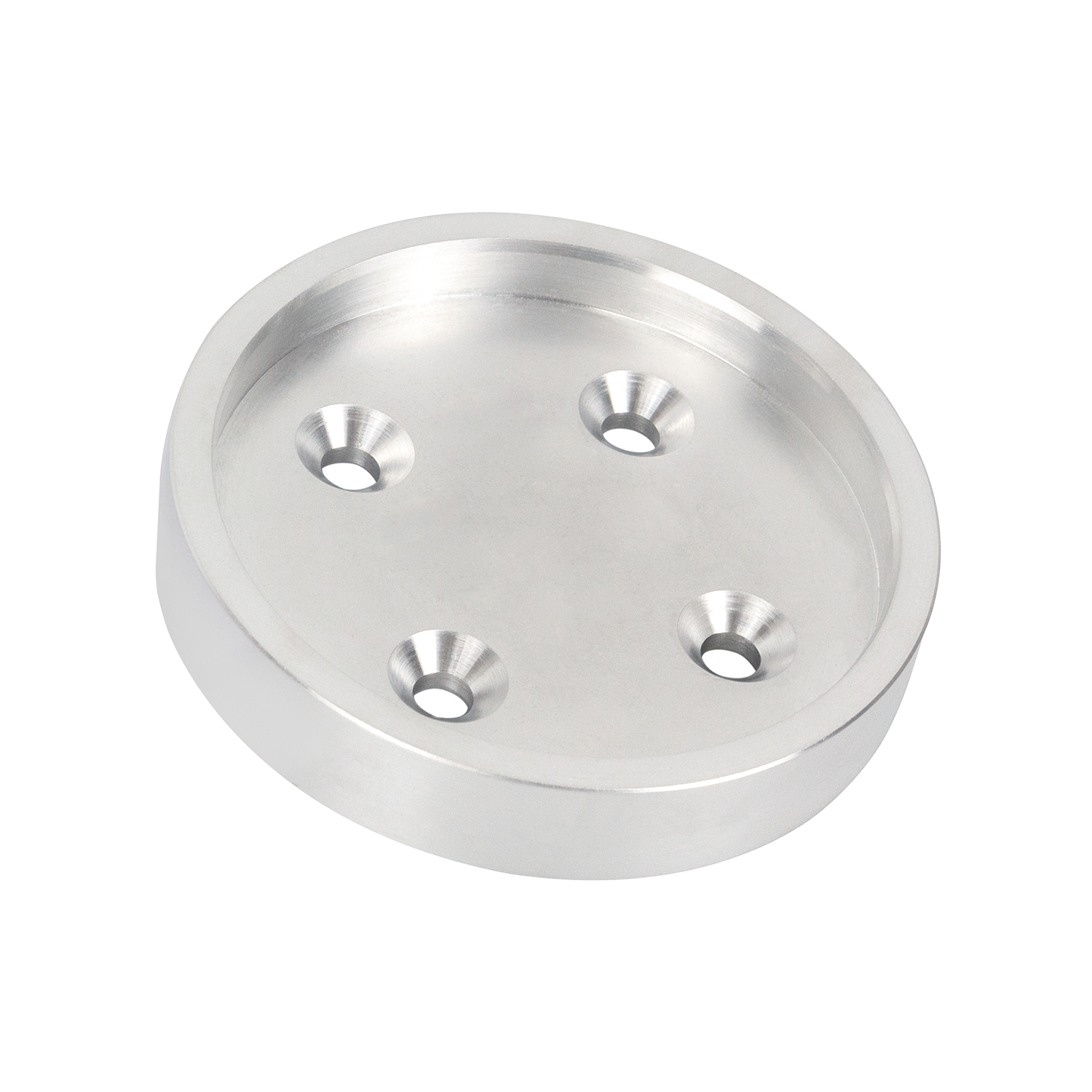
Once the design is finalized, CNC programmers convert CAD models into CAM programs. These programs define tool paths, cutting speeds, feed rates, and machining sequences. Precision programming ensures dimensional accuracy and repeatability throughout production.
Advanced CAM software allows simulation of the machining process before actual production begins. This step helps identify potential collisions, inefficiencies, or design issues early, reducing waste and downtime.
Stainless steel is tougher to machine than many other metals due to its work-hardening characteristics. Proper tool selection is therefore critical. Manufacturers typically use carbide or coated cutting tools designed specifically for stainless steel CNC precision machining.
Machining strategies may include:
Roughing operations for bulk material removal
Semi-finishing for dimensional refinement
Finishing passes for surface quality and tight tolerances
For complex OEM components, multi-axis CNC machining (such as 4-axis or 5-axis) enables intricate geometries and reduces the need for multiple setups.
OEM stainless steel CNC precision machining commonly involves a combination of CNC turning and CNC milling:
CNC Turning: Ideal for cylindrical or rotational parts such as shafts, bushings, and connectors.
CNC Milling: Used for complex shapes, slots, holes, and multi-surface features.
High-end CNC machining centers ensure consistency across small prototype batches and large-volume OEM production runs.
One of the defining advantages of CNC precision machining is the ability to achieve tight tolerances, often within ±0.01 mm or better. This level of precision is essential for OEM components that must fit seamlessly into assemblies or operate under strict mechanical conditions.
Consistent process control ensures that every part meets the same specifications, which is especially important for long-term OEM partnerships.
Surface finishing plays both functional and aesthetic roles in OEM stainless steel components. Common finishing options include:
Polishing: Improves corrosion resistance and appearance
Brushing or Satin Finish: Provides a uniform industrial look
Passivation: Enhances corrosion resistance by removing surface contaminants
Electropolishing: Creates ultra-smooth surfaces for hygienic or medical applications
The choice of finish depends on application requirements, industry regulations, and customer preferences.
OEM stainless steel CNC precision machining may also involve secondary operations such as:
Thread tapping
Drilling and reaming
Laser marking or engraving
Component sub-assembly
By offering integrated services, manufacturers help OEM customers reduce supply chain complexity and lead times.
Quality assurance is a cornerstone of OEM stainless steel CNC precision machining. Reliable manufacturers implement strict inspection procedures using advanced measuring equipment such as:
Coordinate Measuring Machines (CMM)
Optical comparators
Surface roughness testers
Micrometers and calipers
Each part is inspected against drawings and specifications to ensure compliance.
OEM customers often require full documentation, including material certificates, inspection reports, and process records. Traceability ensures accountability and supports compliance with industry standards such as ISO 9001, ISO 13485, or food-grade and medical regulations.
Stainless steel precision components must be protected during transportation to prevent scratches, deformation, or corrosion. OEM CNC machining suppliers typically offer customized packaging solutions, including:
Anti-rust wrapping
Foam or vacuum packaging
Individual part separation for delicate components
Proper packaging safeguards part quality upon arrival.
OEM stainless steel CNC precision machining often serves international markets. Reliable suppliers coordinate shipping, customs documentation, and delivery schedules to ensure parts arrive on time and in perfect condition.
Timely delivery is critical for OEM customers operating on tight production timelines or just-in-time manufacturing systems.
Choosing an OEM CNC machining partner for stainless steel components offers several strategic advantages:
Customization: Parts tailored to exact functional requirements
Precision and Consistency: Reliable performance across production runs
Material Performance: Strength, corrosion resistance, and durability
Scalability: From prototypes to mass production
Cost Efficiency: Reduced rework, waste, and assembly issues
These benefits make CNC precision machining a preferred solution for high-value OEM applications.
When sourcing OEM stainless steel CNC precision machining services, buyers should evaluate suppliers based on:
Technical expertise and machining capabilities
Experience with stainless steel materials
Quality control systems and certifications
Communication and engineering support
Production capacity and delivery reliability
A long-term partnership with a capable CNC machining manufacturer can significantly enhance product quality and supply chain stability.
OEM stainless steel CNC precision machining is a comprehensive process that goes far beyond cutting metal. From collaborative design and material selection to advanced machining, quality control, and global delivery, every step plays a vital role in ensuring component performance and reliability.
By understanding the full journey—from design to delivery—OEM customers can better manage costs, reduce risks, and achieve superior results in their finished products. With the right CNC machining partner, stainless steel precision components become a powerful foundation for innovation, efficiency, and long-term success.